Frame
01Most rework starts as a vague prompt. Before anyone builds, we agree on the user, the problem and what done means.
Design advisory
I’m Ankur, a lead product designer. AI made building cheap. Judgment still costs something. I help teams where everyone ships keep their product coherent.
What changed
Full stack builders now take a feature from idea to launch, with AI doing much of the build. It works. Teams ship in a month what used to take a quarter. But each builder now makes dozens of small design calls a day, and nobody sees them side by side.
What it looks like
A pattern I see constantly. Three teams needed a way to delete a project. Each built its own.
Each one passed review. The user still has to guess.
Why it happens
Ask for a settings page and you get the internet’s average settings page. It doesn’t know your users say Workspace, or that Delete makes them nervous. That context lives in people’s heads, and in most builder teams nobody is accountable for all of it.
How I work
The process I run in-house, adapted for teams where everyone builds. Builders keep their speed. The product keeps its shape.
Most rework starts as a vague prompt. Before anyone builds, we agree on the user, the problem and what done means.
Patterns, names and states written down once, in a form people and AI can both follow. Three delete dialogs become one decision.
I review what shipped and rank fixes by user impact, with my reasoning. The reasoning matters most. It’s how your team learns to make the call without me.
Why me
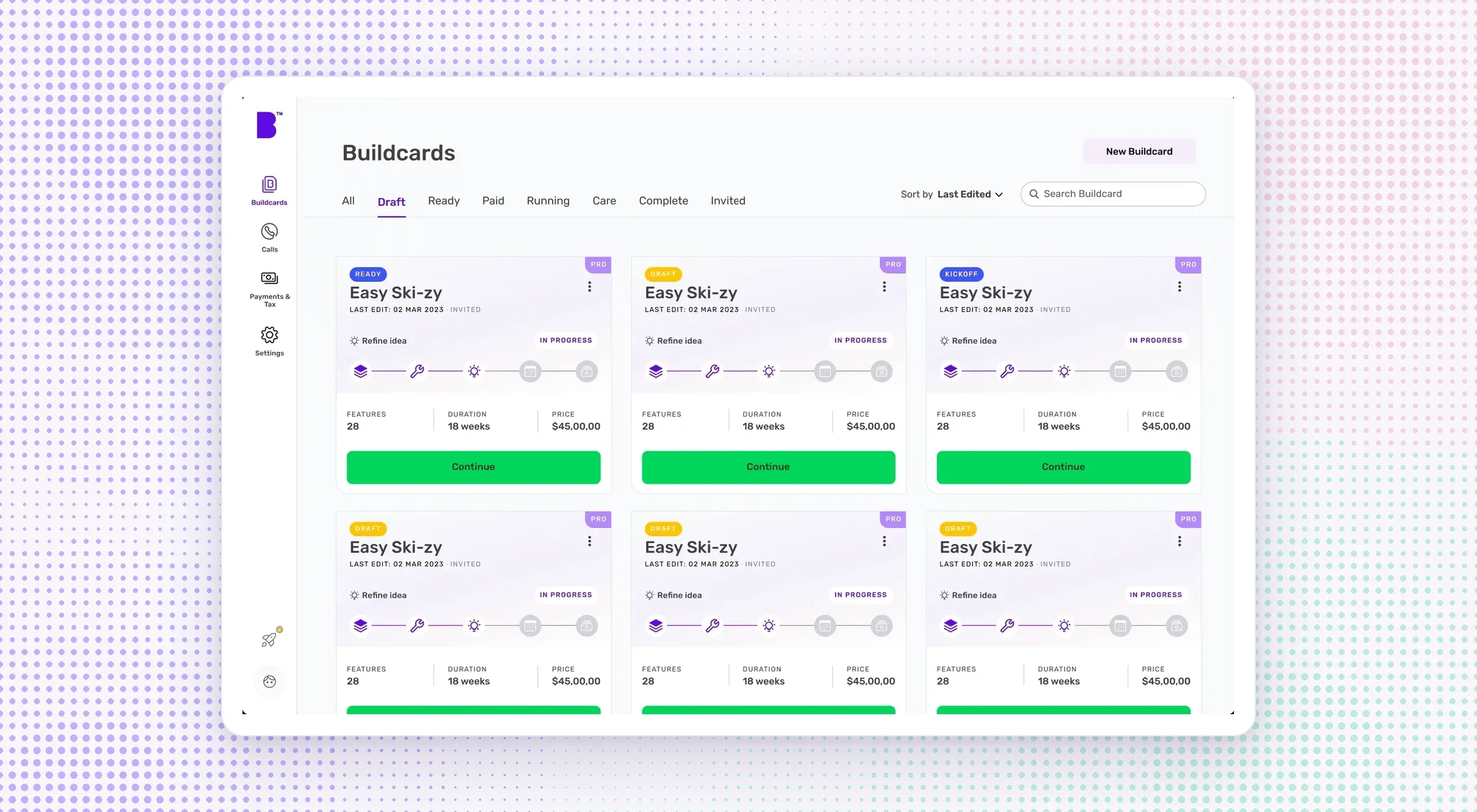 Before
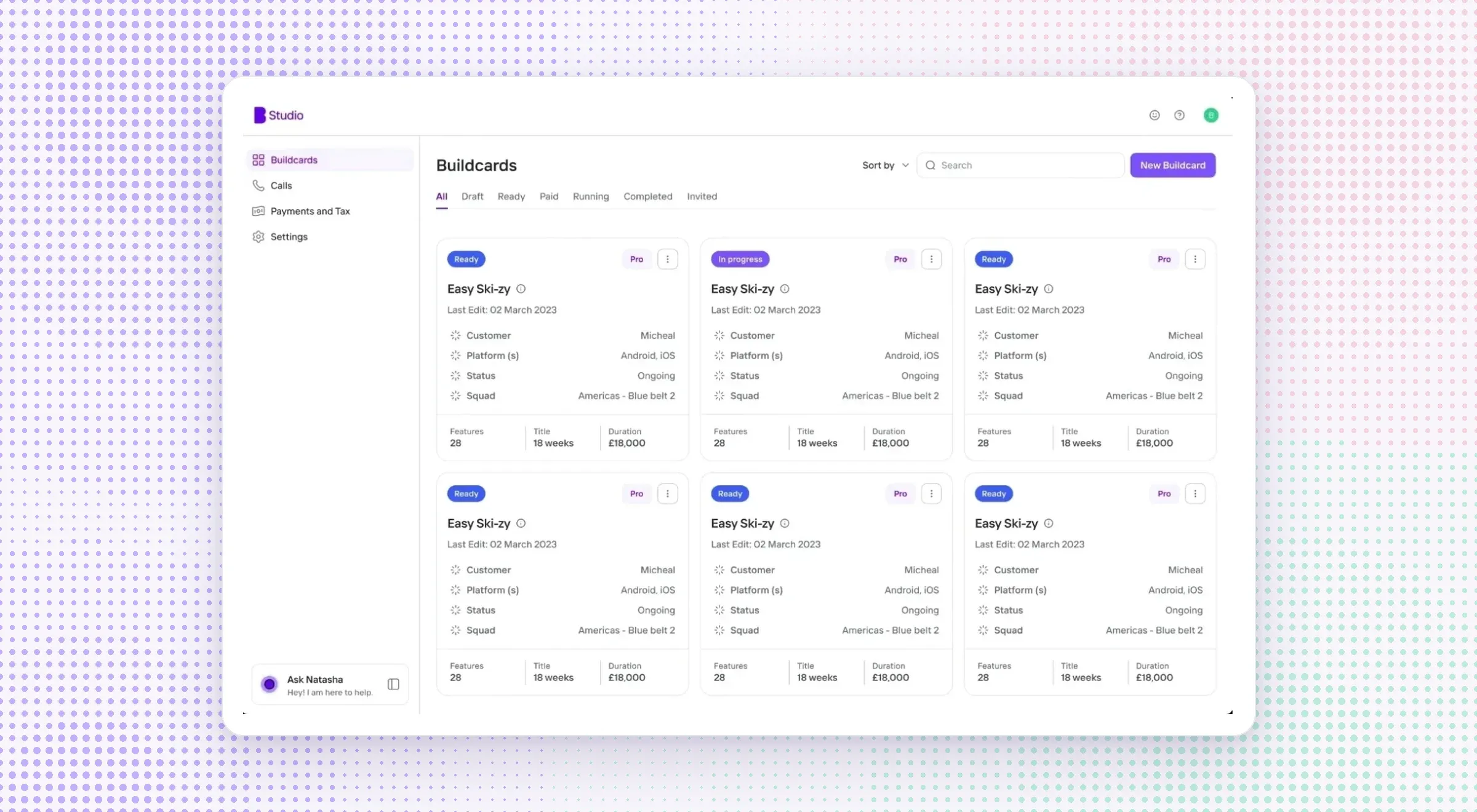 After
“Ankur is the kind of designer who makes the team around him better.”
Working together
I go through your product and send a ranked list of fixes, with the reason for each. Then we walk through it on a call.
A low-risk way to see how I think.
I join your critiques, make the pattern calls and help your team decide faster as you ship.
For teams shipping every week.
Bring two screens that should feel related. We’ll see if they do.